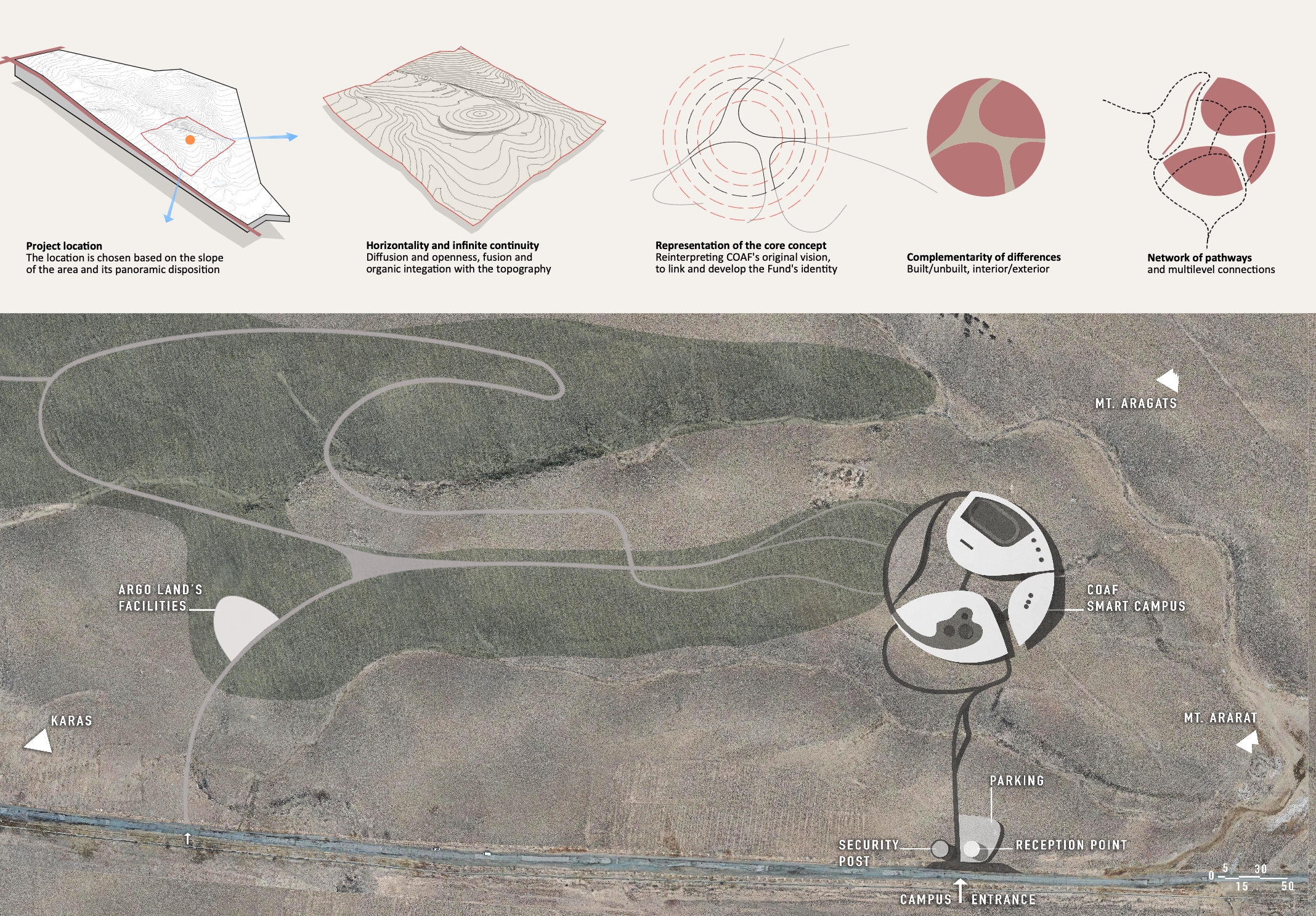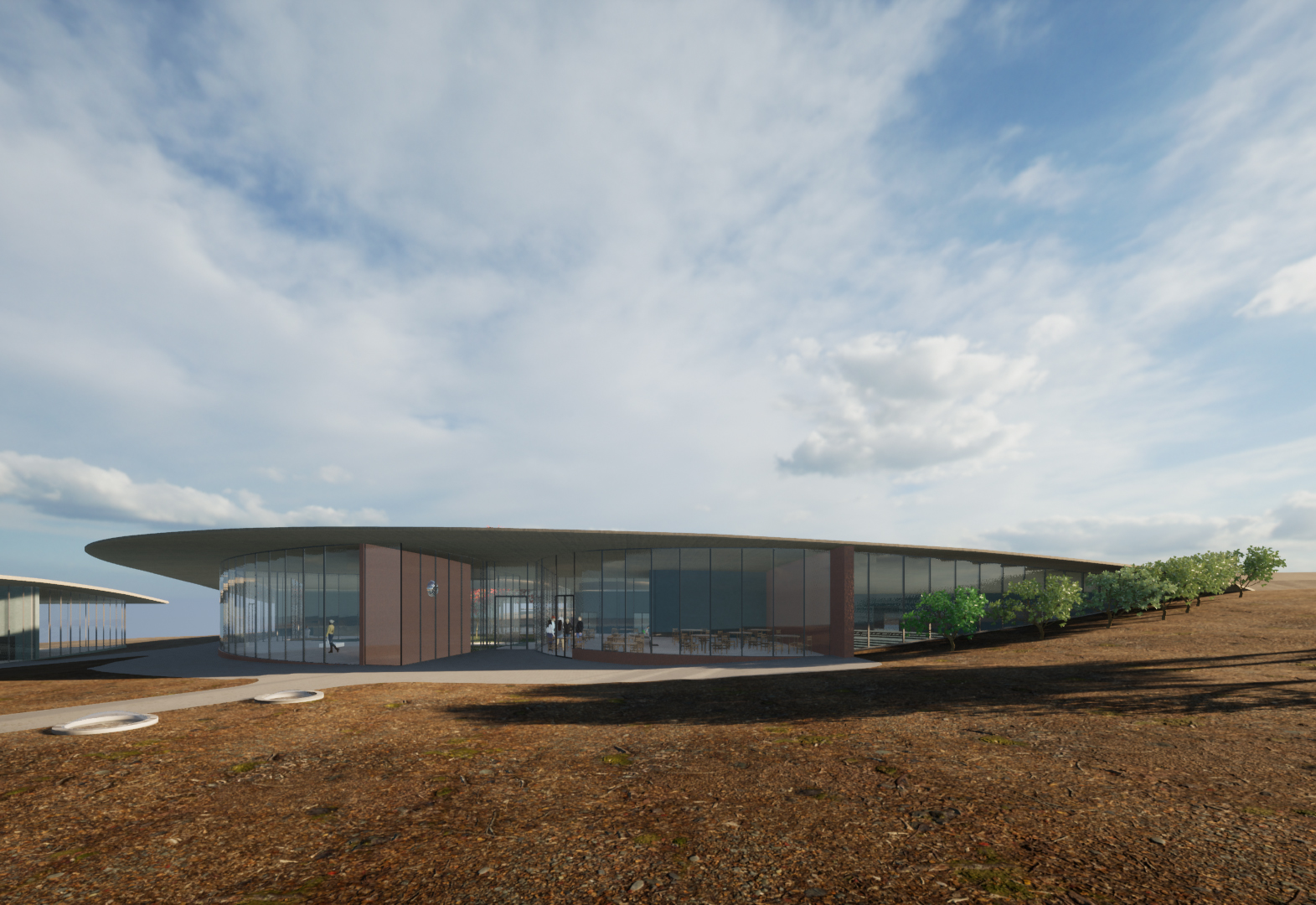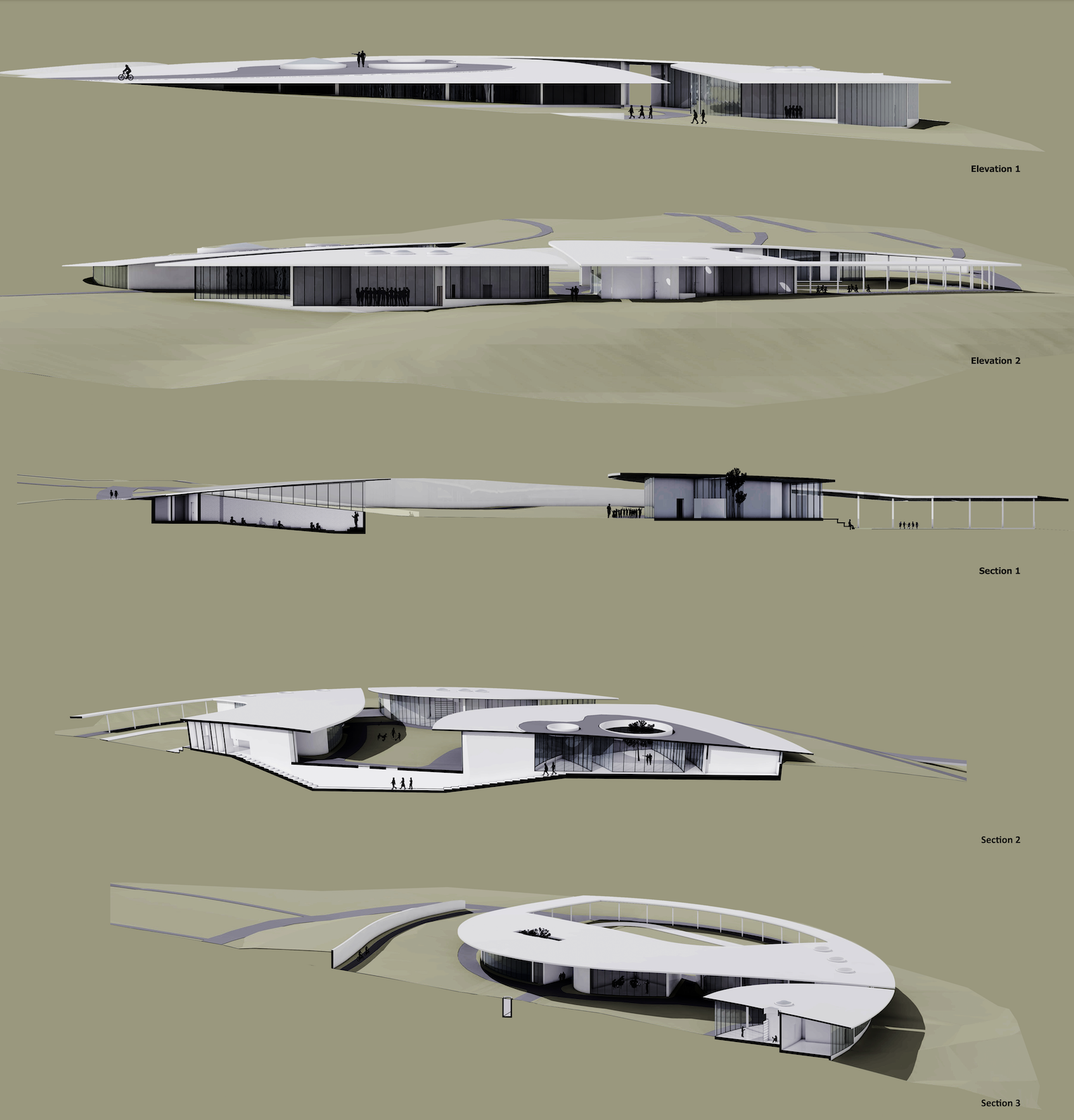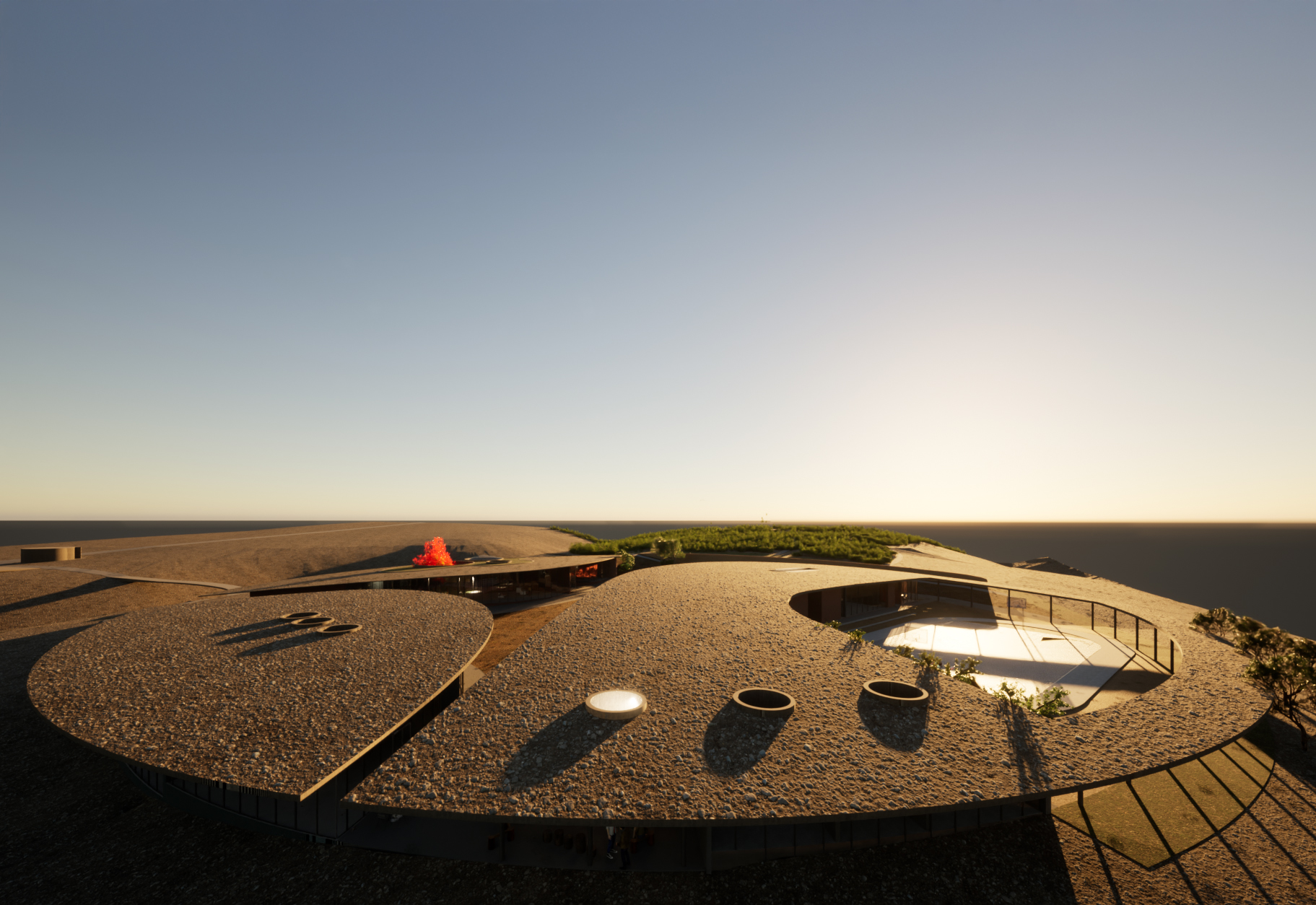
This proposal for the COAF Smart Campus in Armavir explores architecture’s relationship to a remote and arid environment. Rather than proposing a landmark, the project aims for a discreet, expandable, and inclusive presence—one that reflects COAF’s horizontal structure and its deep engagement with local communities.
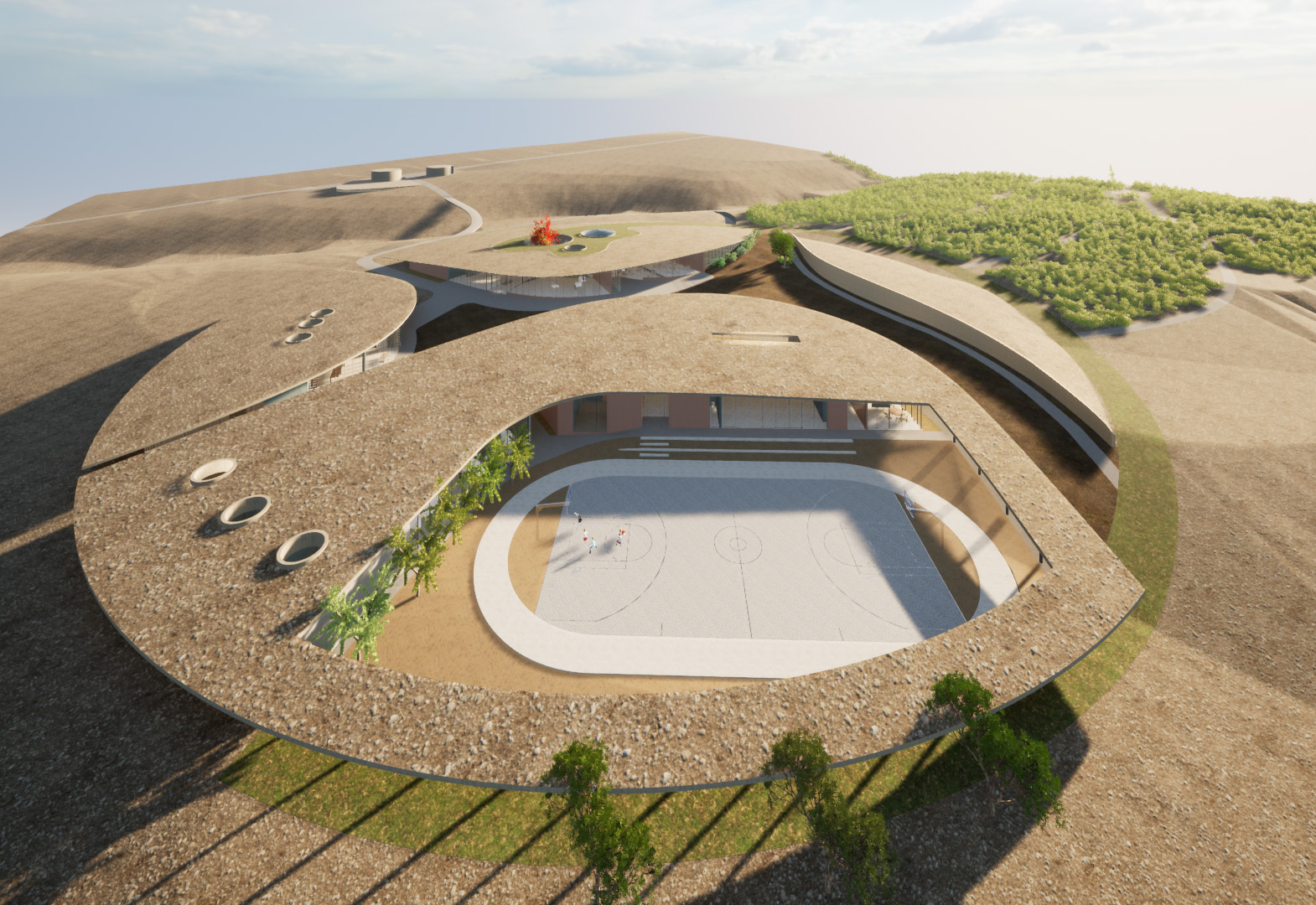
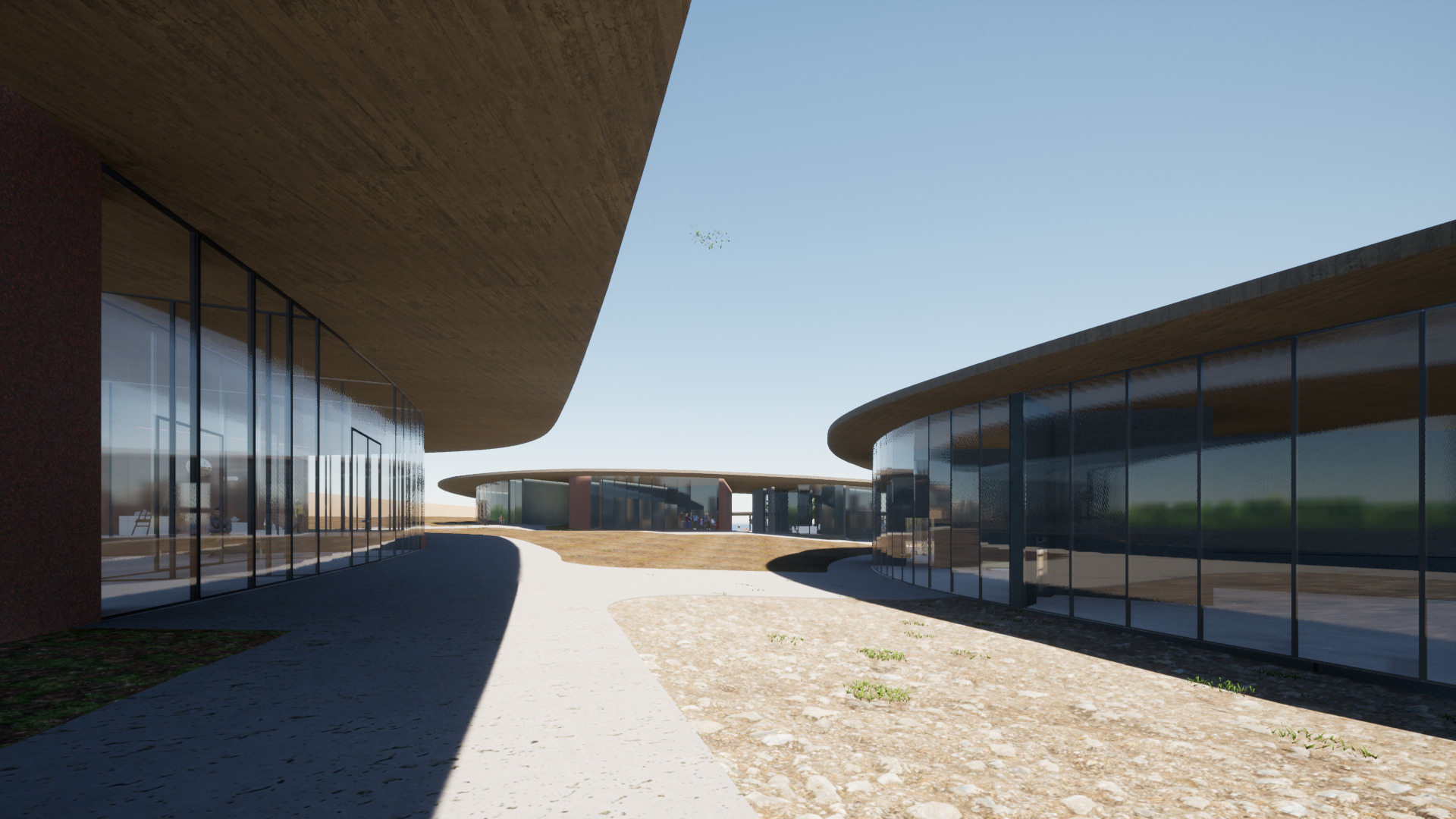
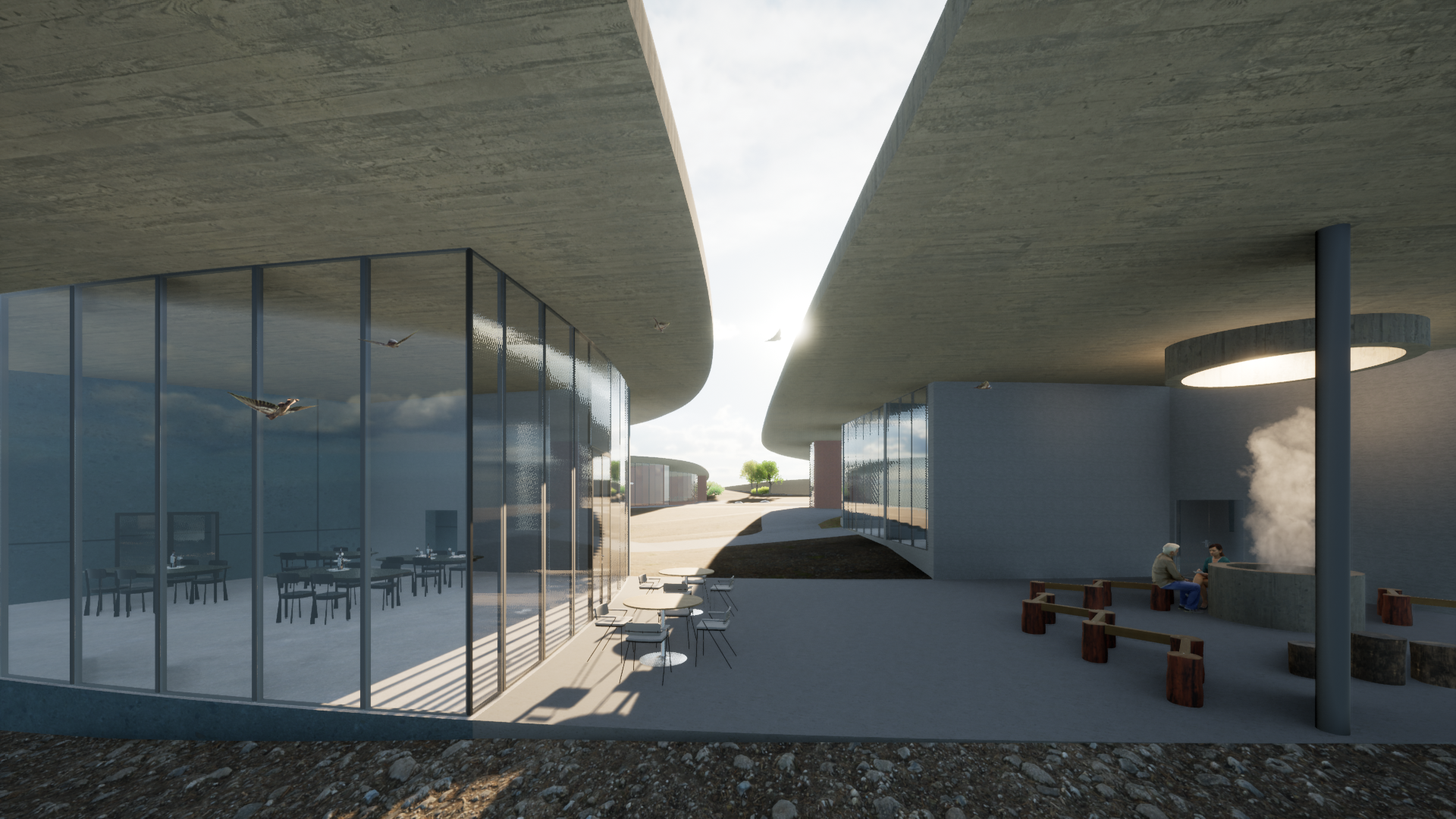
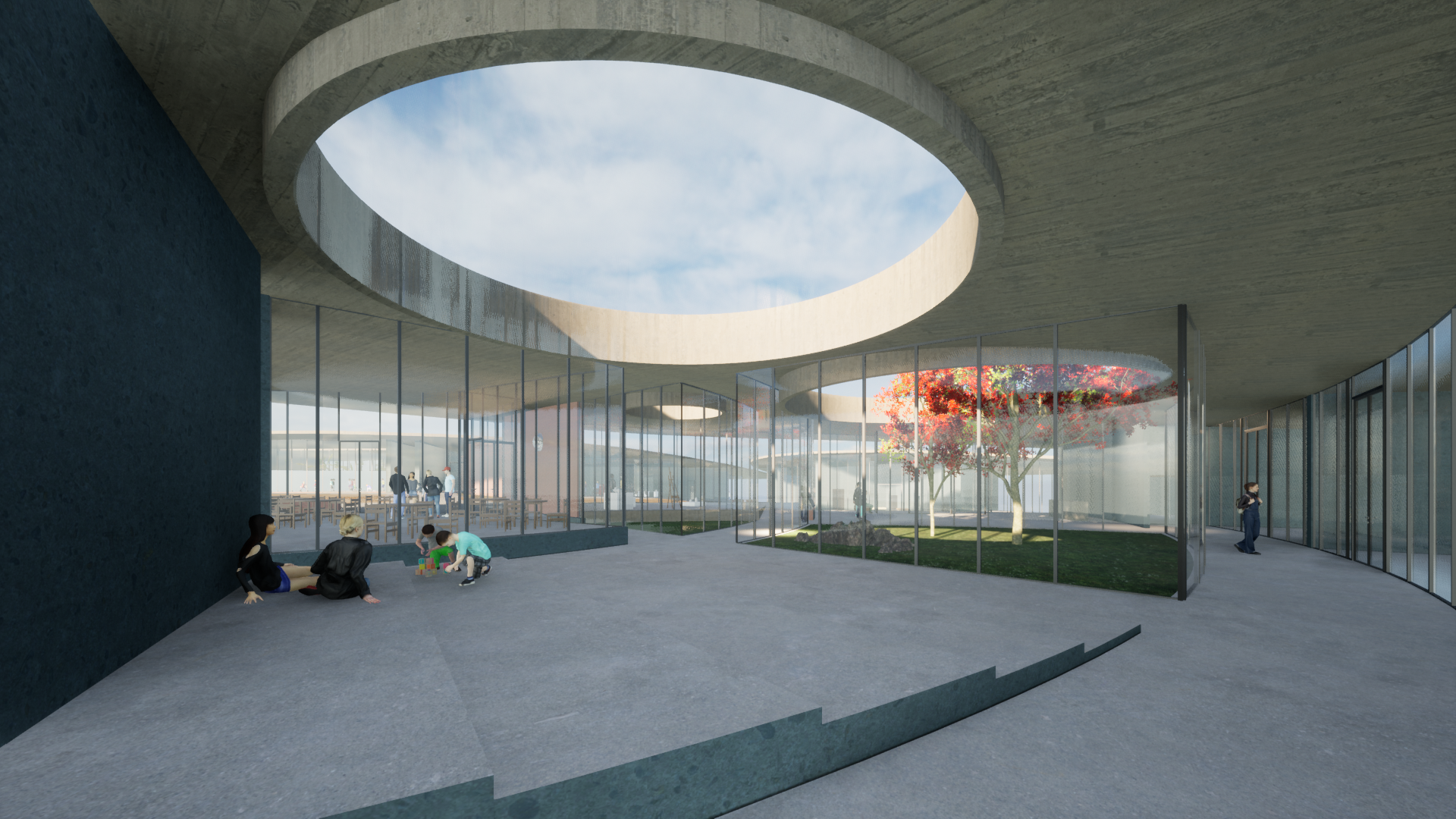
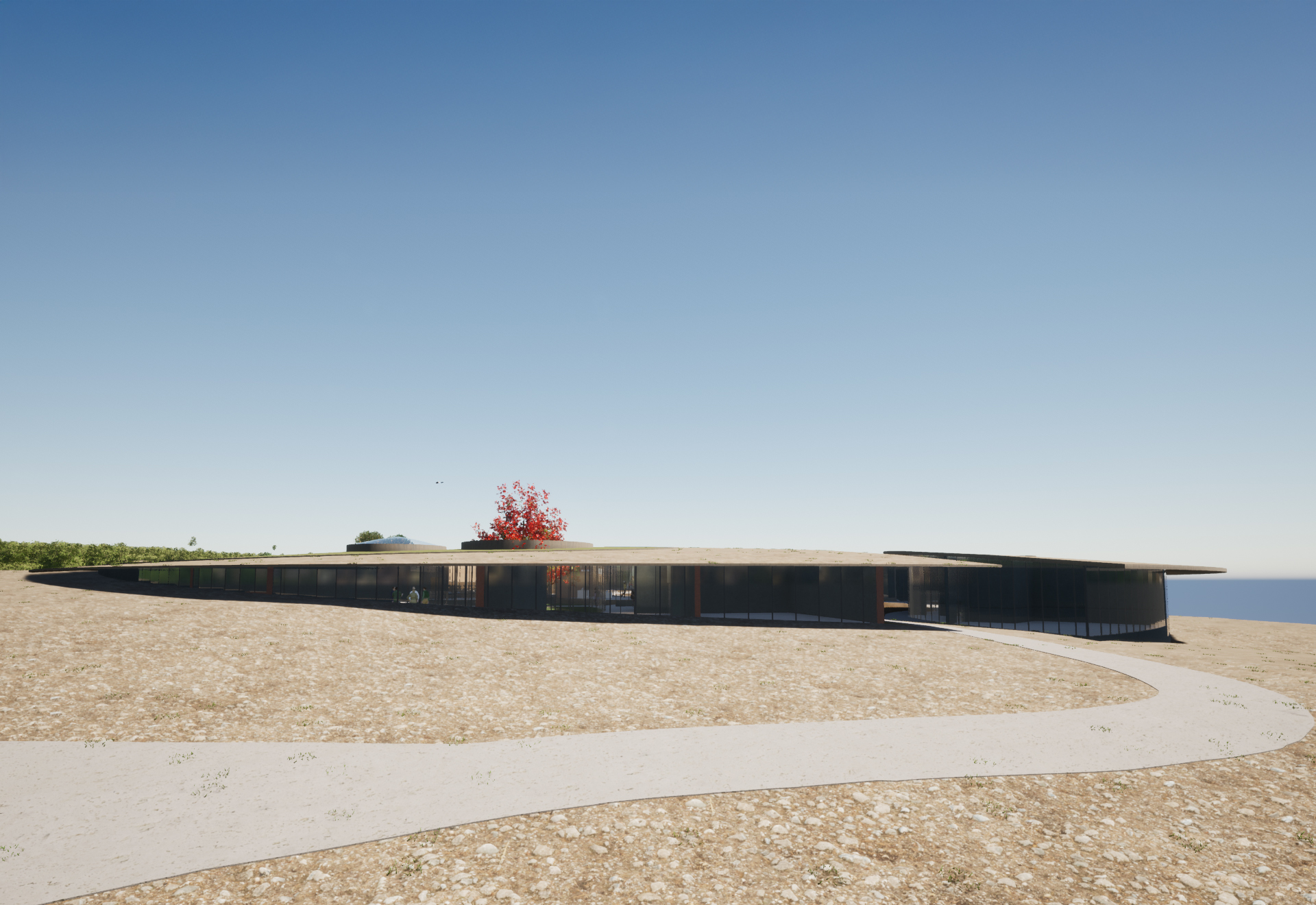
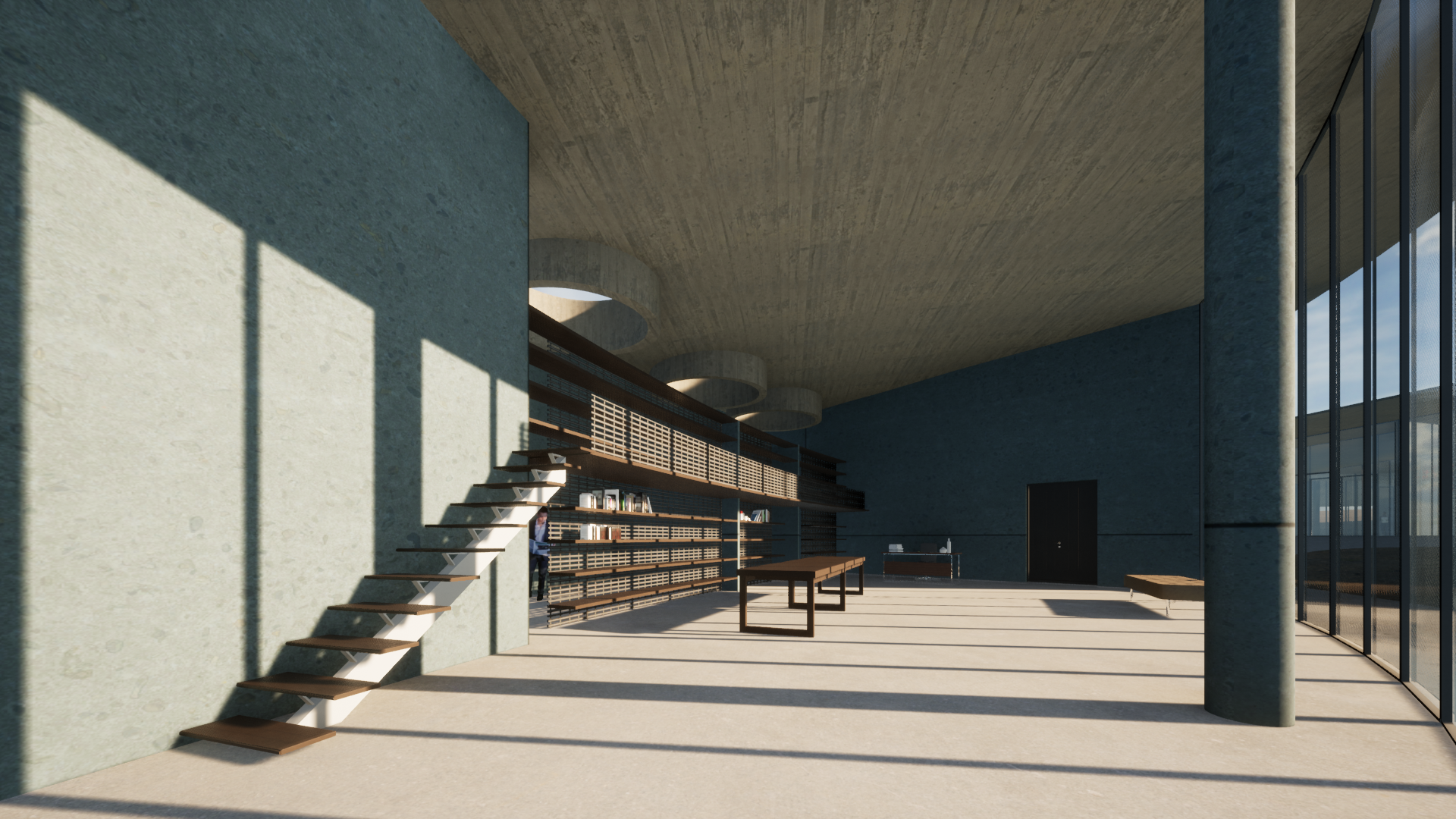
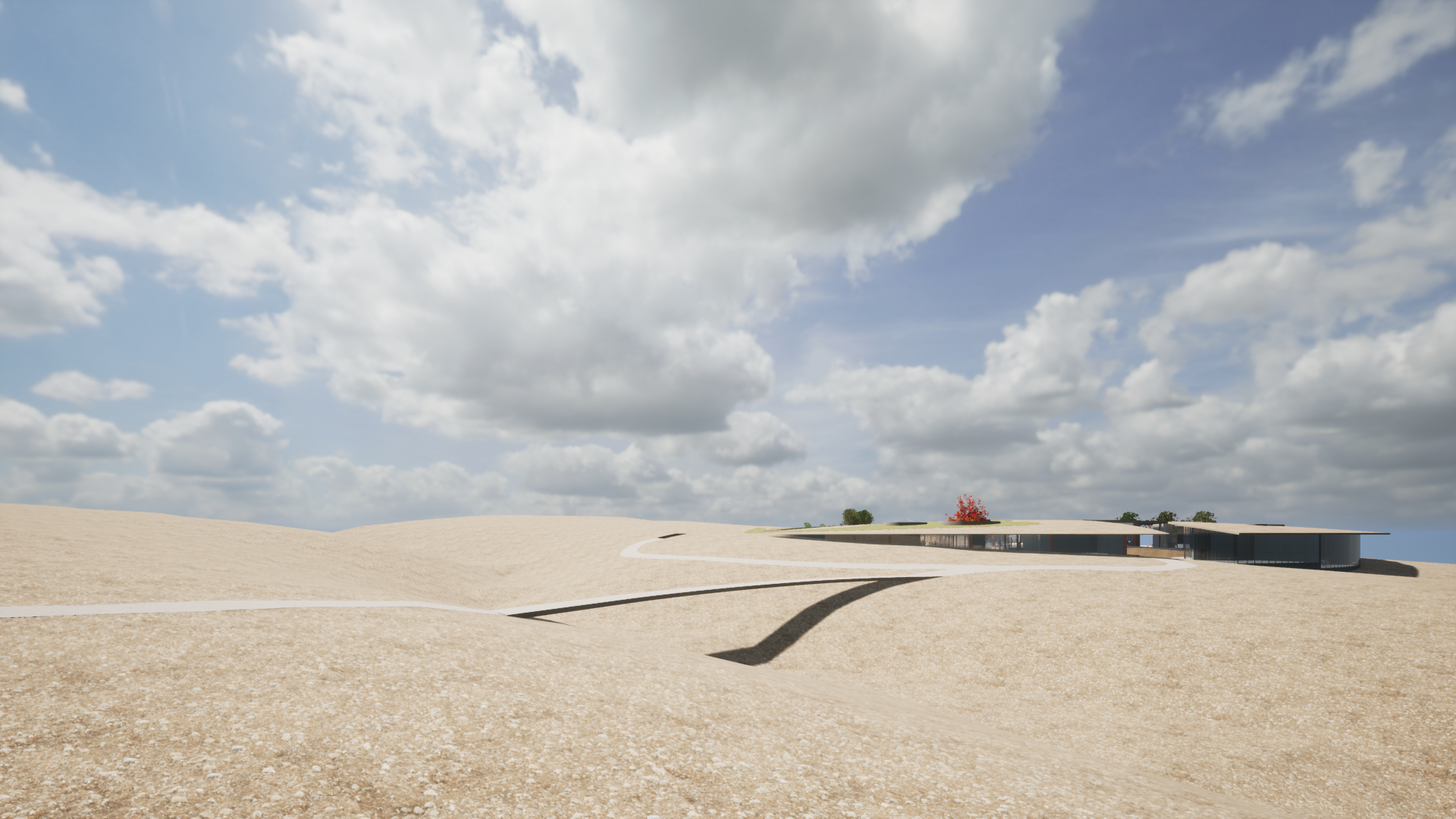
The design unfolds as a continuous, low-slung form that blends into the topography. Inspired by the anonymity and vastness of the site, the architecture avoids fixed boundaries and monumental gestures, instead adopting an open-ended and permeable spatiallogic. At its heart is a curved, dome-like roof that appears to rise naturally from the sloped terrain. Floating 4–5 meters above the ground, this structure shelters various educational spaces and pavilions while maintaining panoramic views across the landscape. Roof openings bring in natural light and define interior gardens, creating an environment that oscillates between indoors and out.
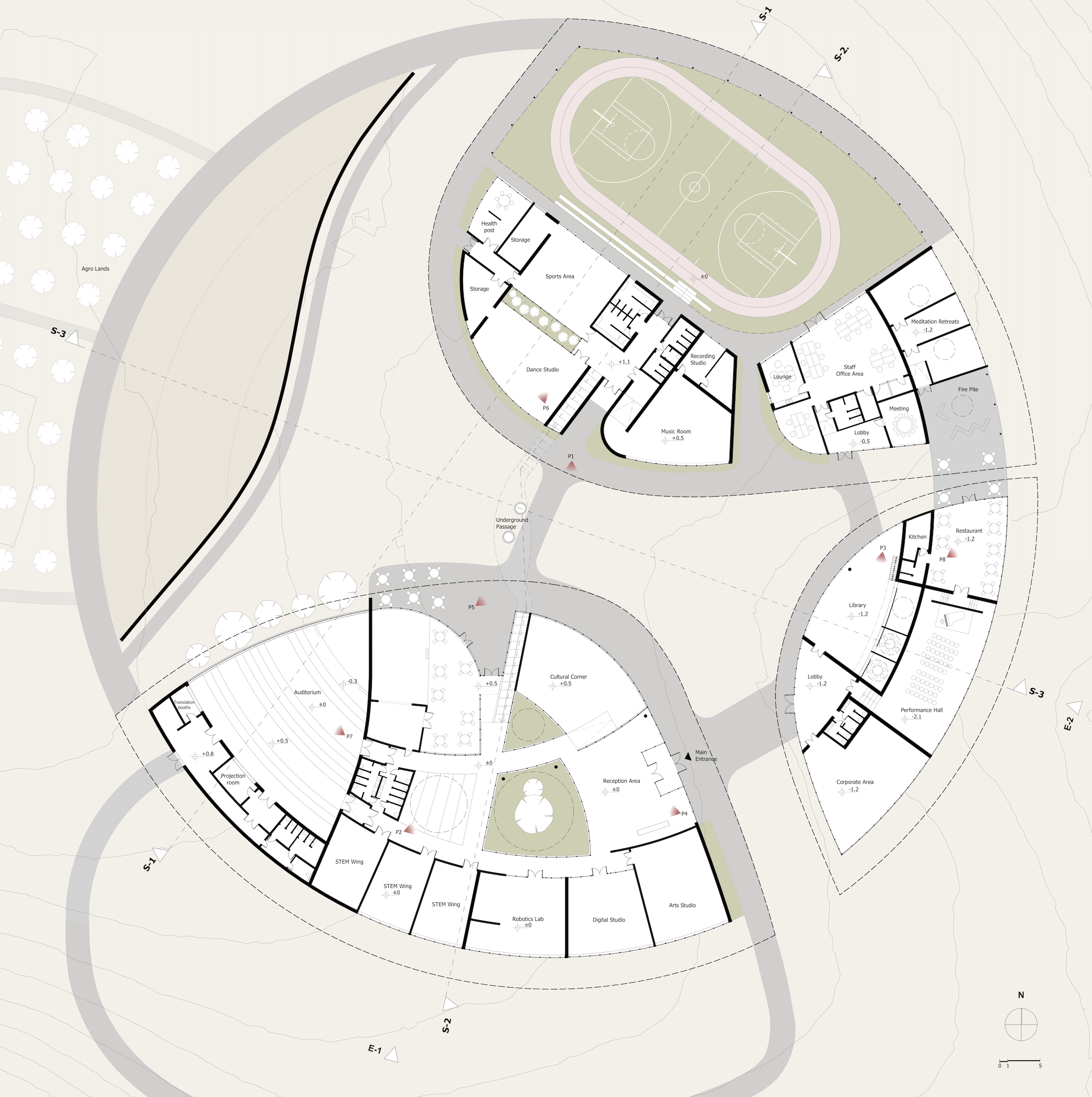
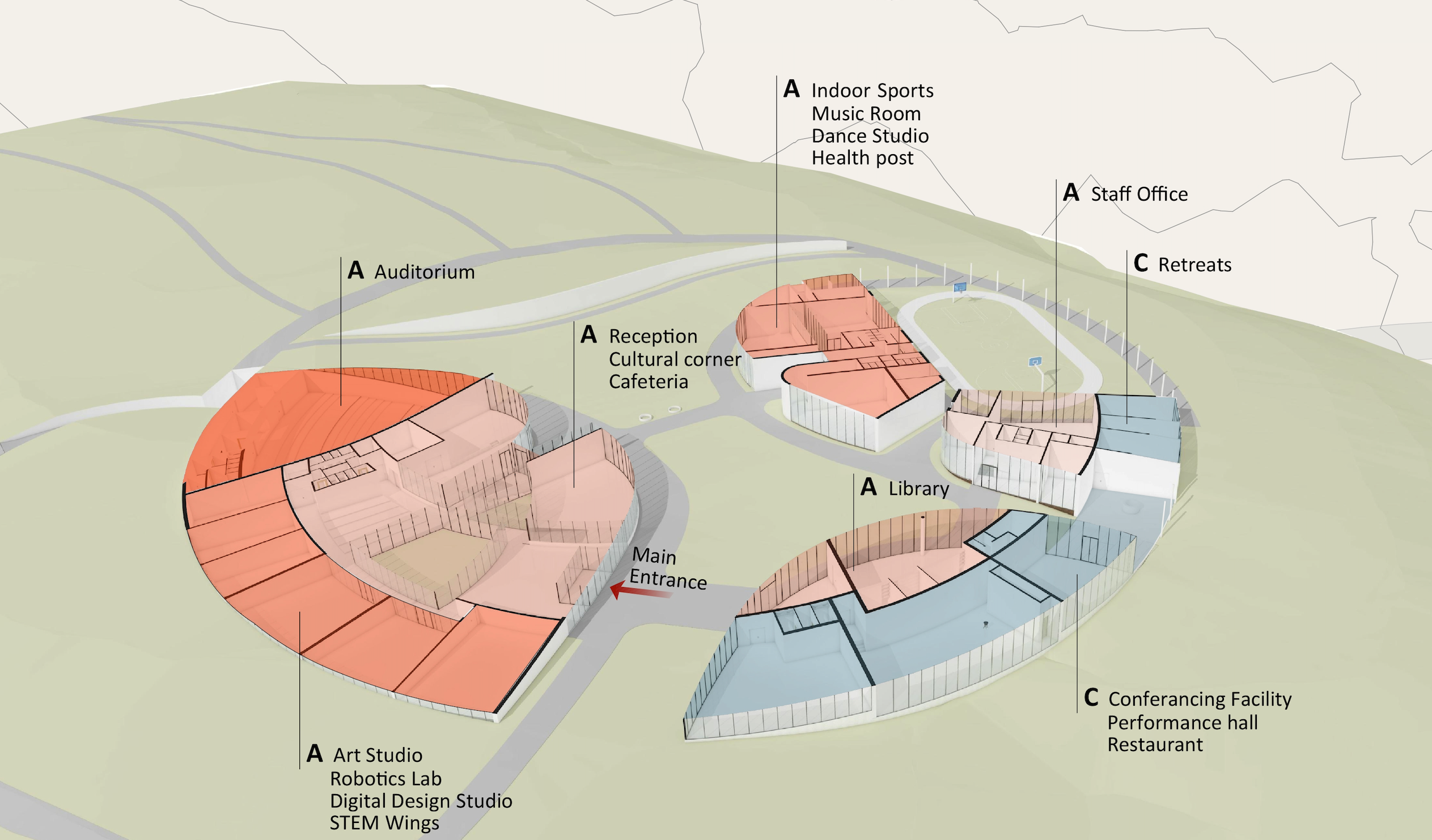
Three primary entities group the campus’s functions, each forming a pavilion with its own atmosphere. The spaces in between serve as interstitial zones, neither fully exterior nor interior, mirroring the layout of COAF’s DebetCampus while reinterpreting it for a new context. These transitional areas foster informal learning, encounter, and movement, enhancing the center’s dynamism. In harsher seasons, an underground passage connects the pavilions. The campus is accessed via a bridge leading to a network of walkable, multi-level paths extending over and around the green roofs. Adjacent agricultural lands are incorporated into the master plan, forming a productive and visible connection to the surrounding context.